
Description:
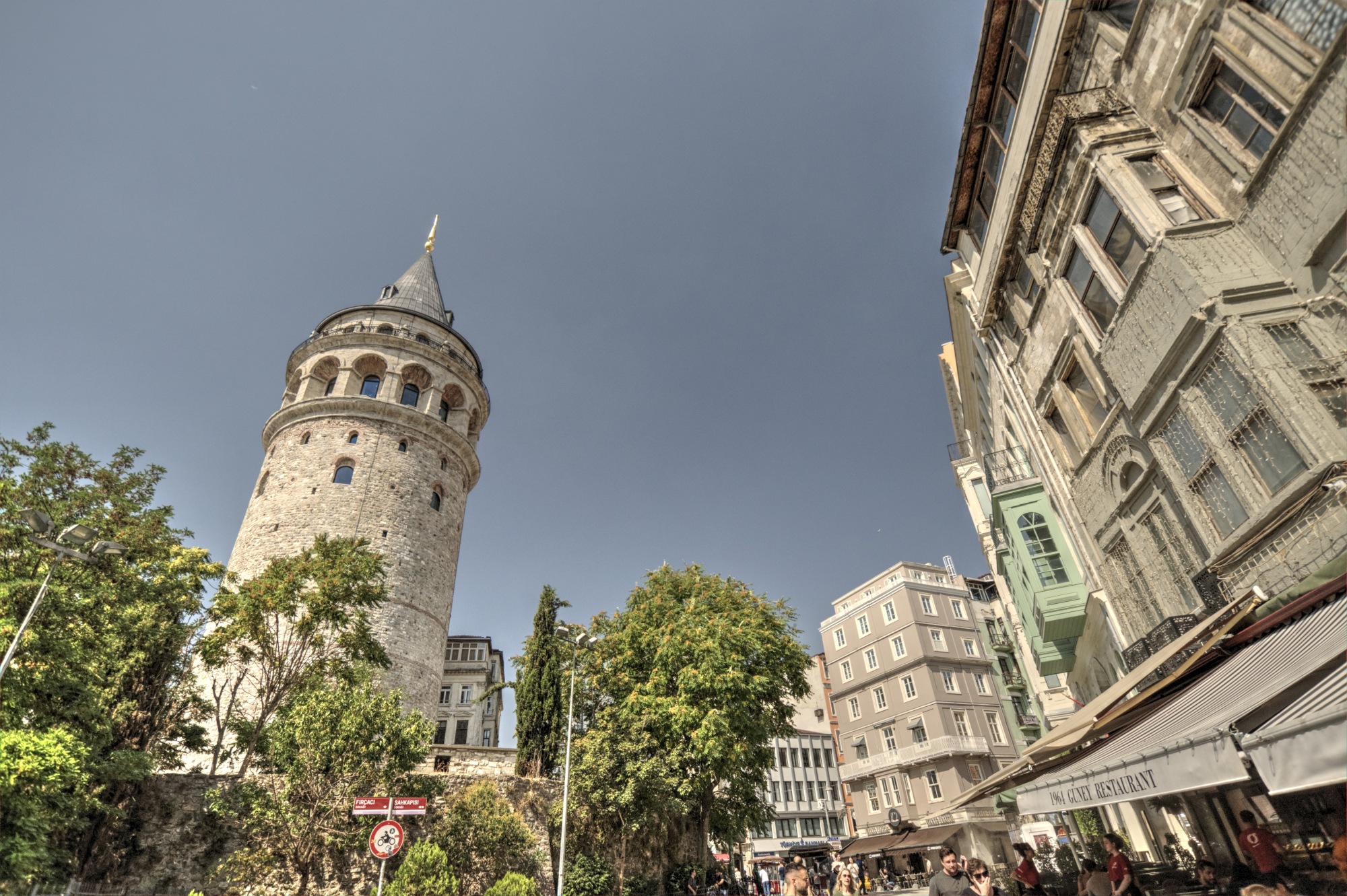
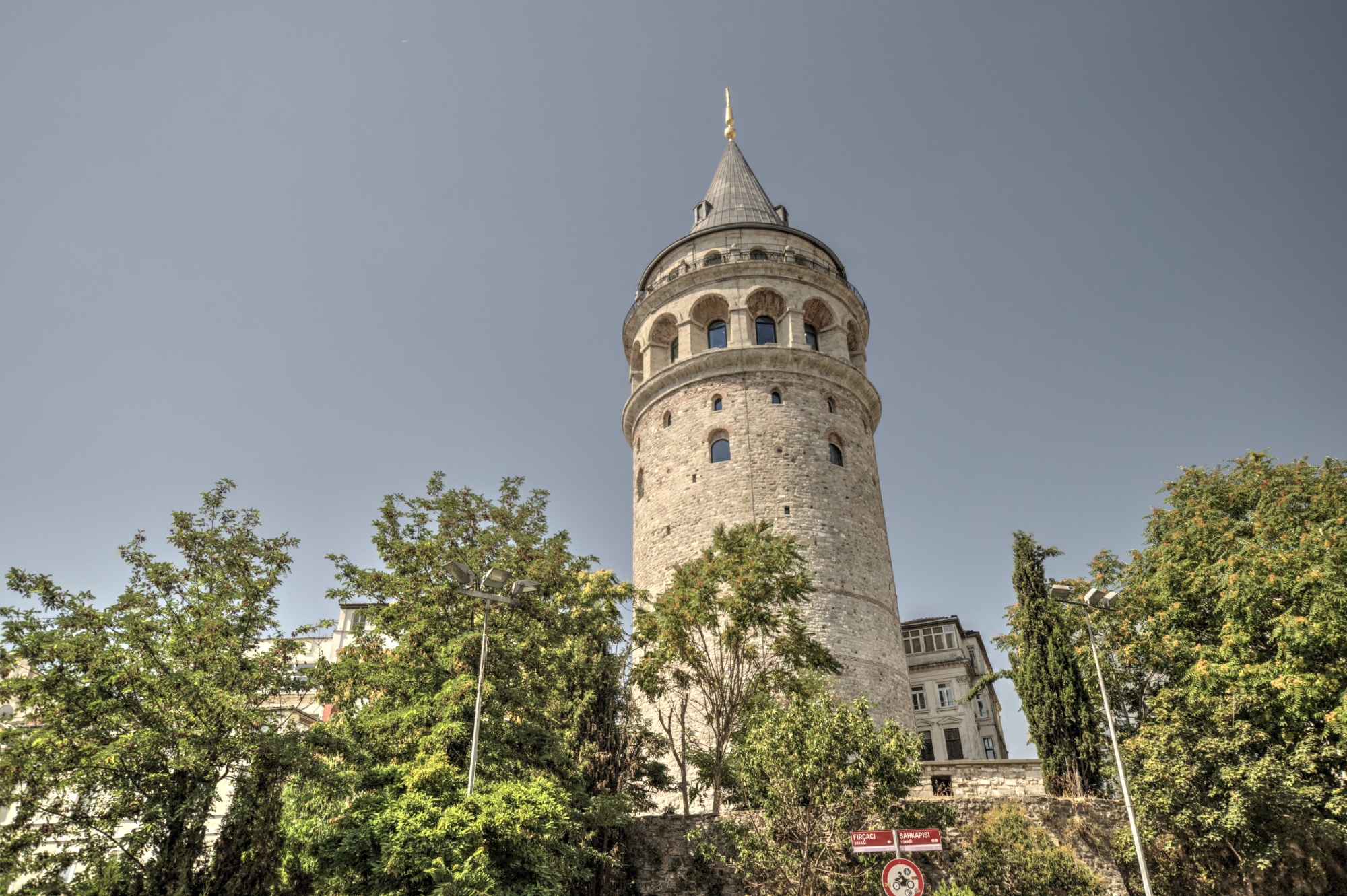
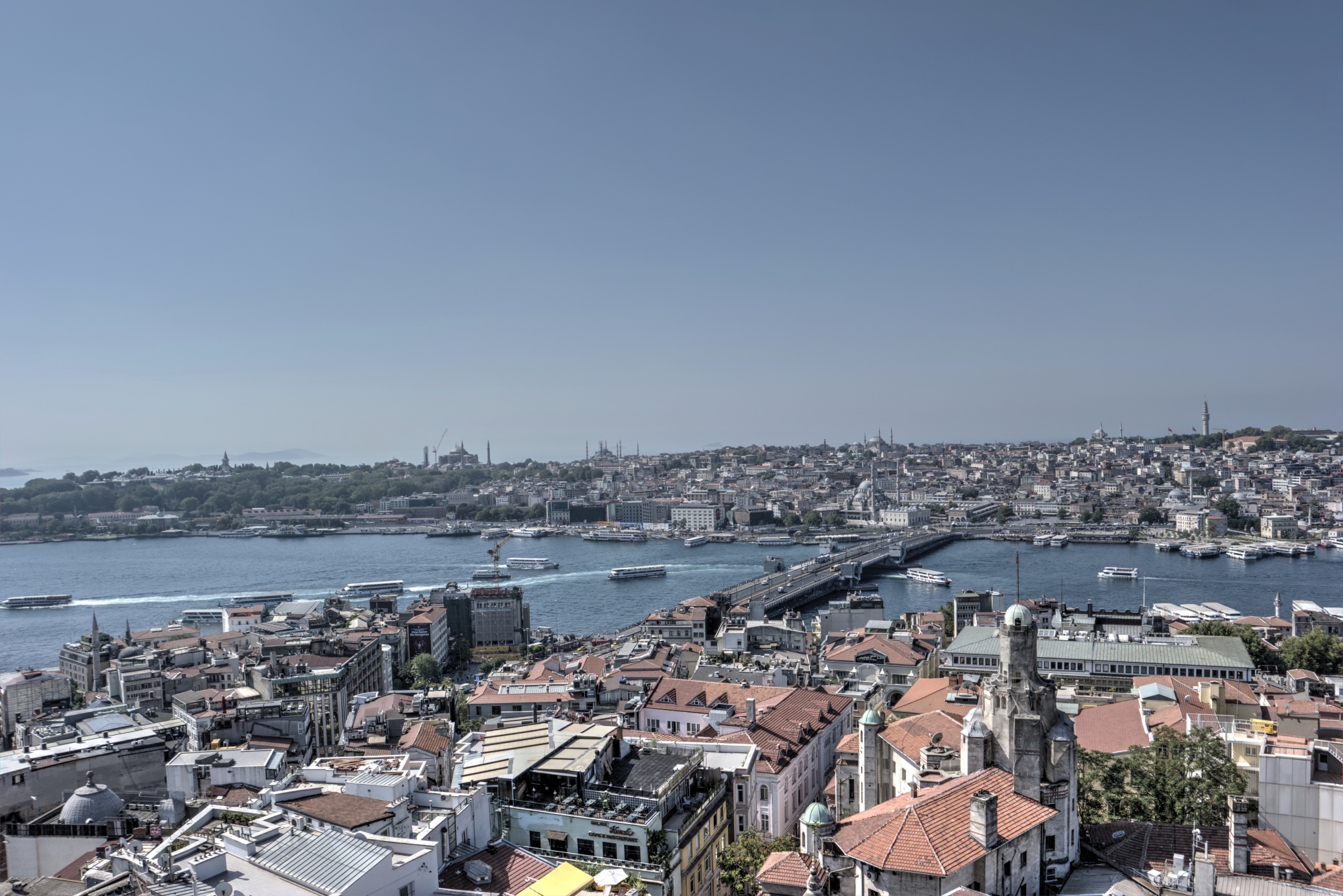
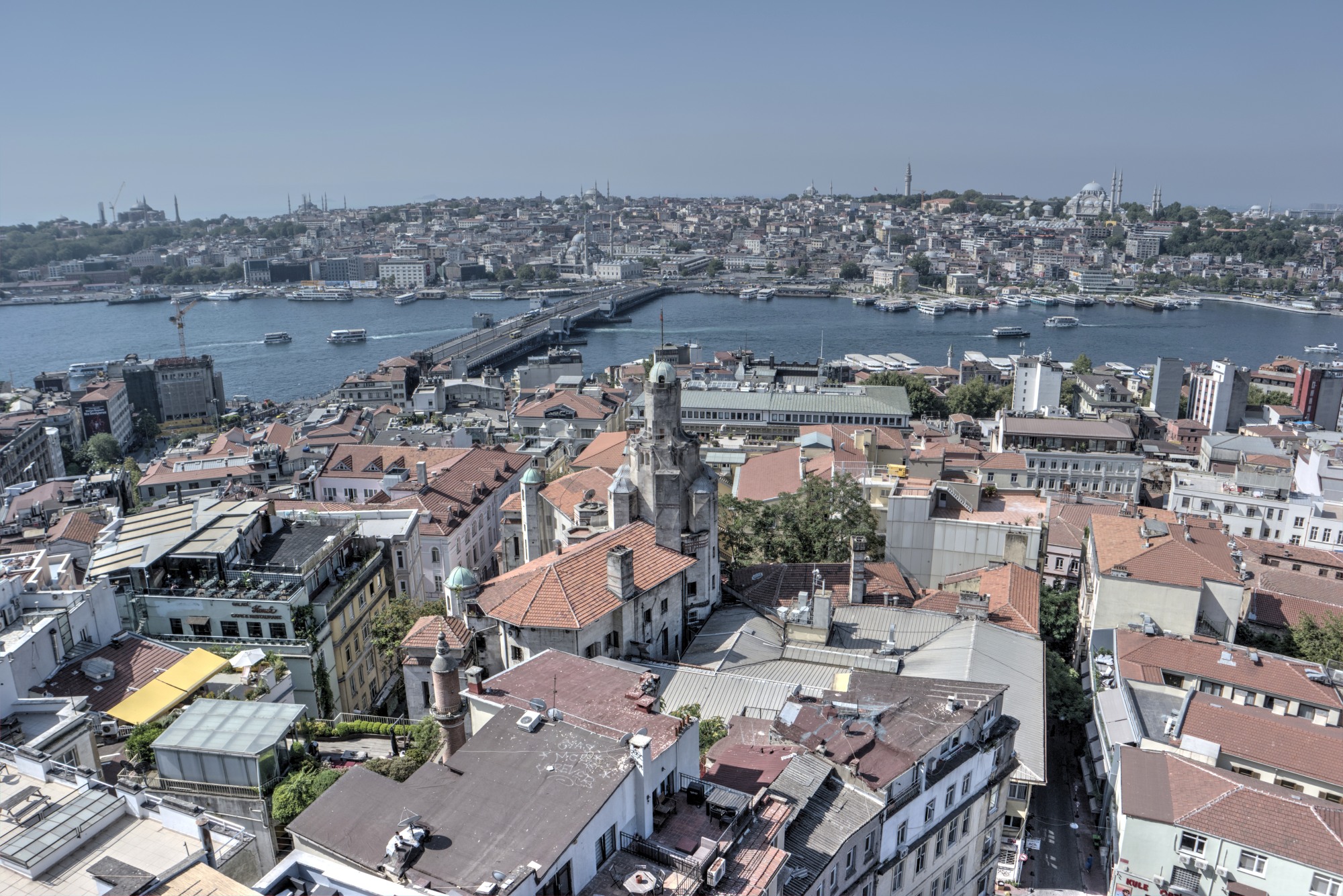
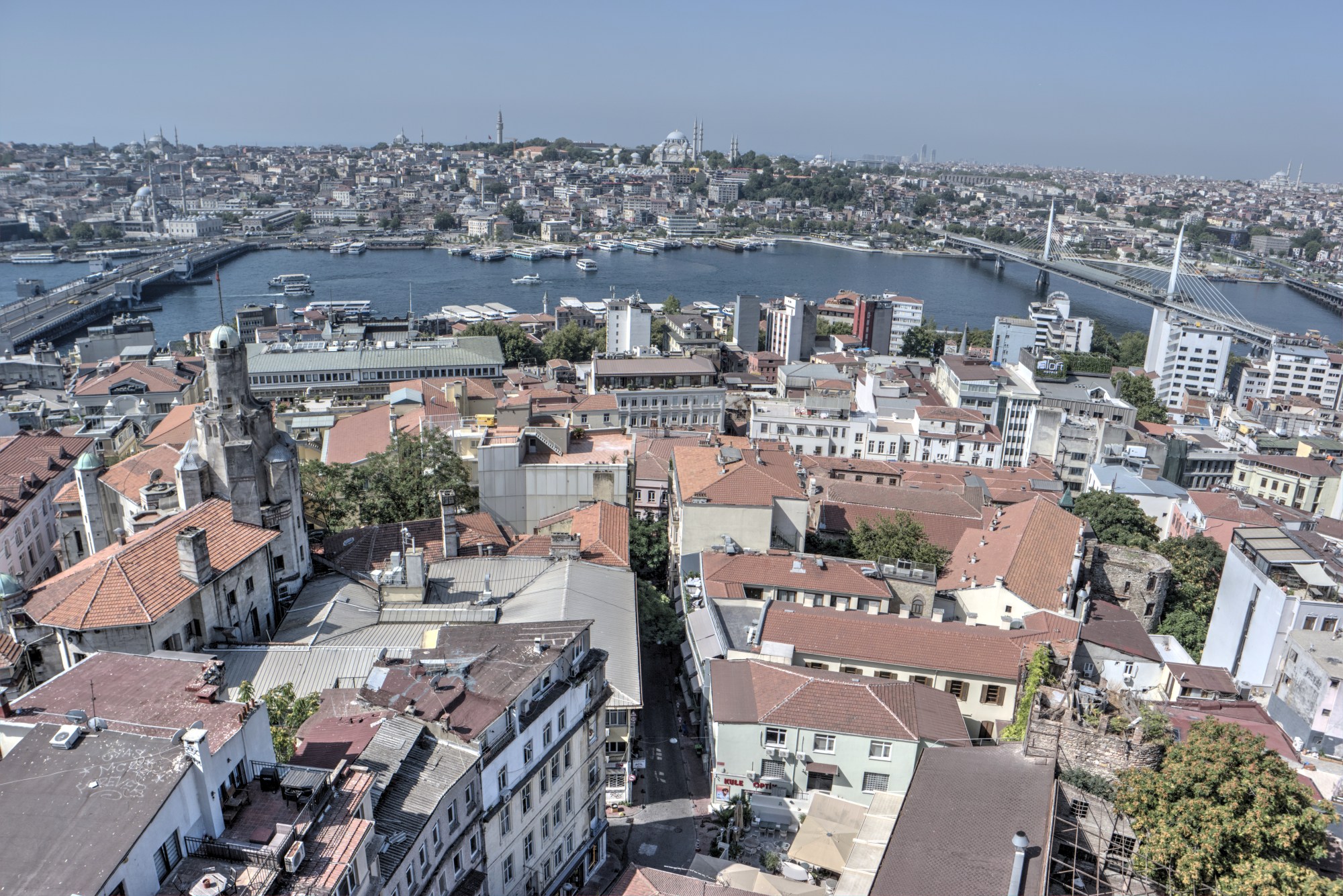
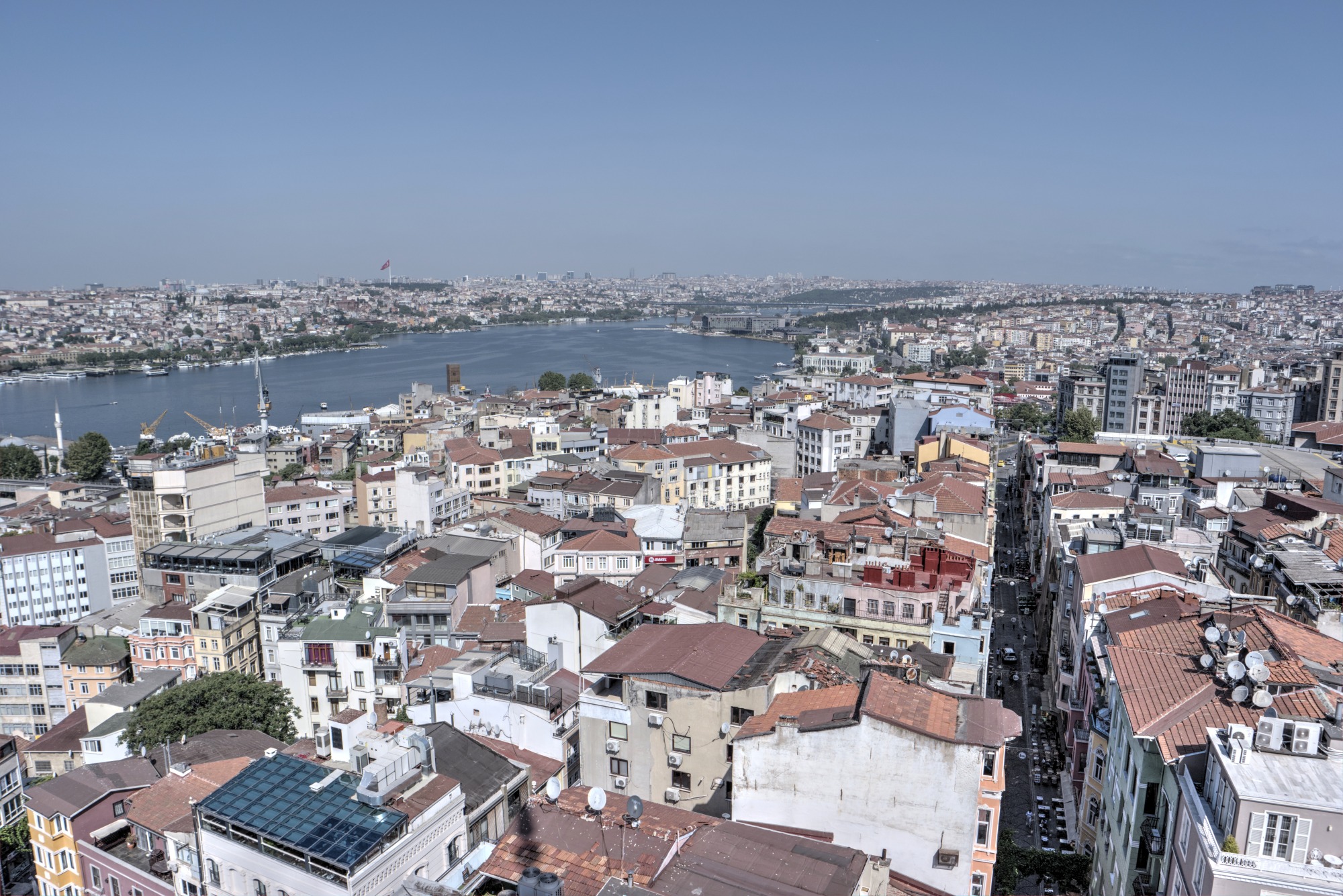
Rising above the winding streets of Galata, the Galata Tower is one of Istanbul's most recognizable landmarks and a monument that embodies the city's extraordinary layers of history. Standing on a ridge overlooking the Golden Horn, the tower has dominated the skyline for centuries, serving at different times as a defensive structure, observation point, fire-watch station, and symbol of the city itself. Today it remains one of the most visited monuments in Istanbul, offering spectacular views across Europe and Asia.
Although the tower is often associated with the Genoese colony of medieval Galata, its history is more complex than many guidebooks suggest. For generations, historians repeated the claim that the structure had originally been built during the reign of the Byzantine emperor Anastasius I (491-518) and was later enlarged by the Genoese. Recent scholarship, however, has shown that the evidence for such an early origin is far weaker than once believed. Researchers connected with the Koç University Istanbul Walls Project have demonstrated that several assumptions about the tower's beginnings stem from misunderstandings of medieval inscriptions and later historical interpretations rather than contemporary evidence.
The tower that survives today was erected by the Genoese in the 14th century as part of the fortifications protecting their prosperous trading colony, officially known as Pera. Galata had become a thriving commercial centre, filled with warehouses, churches, merchants' houses, and defensive walls. Positioned at the highest point of the settlement, the tower served as the principal stronghold of the colony and a visible symbol of Genoese authority over one of the busiest ports in the eastern Mediterranean.
The construction of the tower must be understood within the wider expansion of Genoese Galata. Following a series of commercial privileges granted by the Byzantine emperors, the Genoese transformed the settlement across the Golden Horn from Constantinople into a flourishing maritime enclave. As trade increased, the colony expanded beyond its original limits, and new defensive walls were erected during the 14th century. Galata Tower formed the crown of this fortification system, overlooking both the harbour below and the approaches to the colony.
The origins of Galata Tower are closely connected to the turbulent relationship between the Genoese colony and the Byzantine Empire during the mid-fourteenth century. According to contemporary Byzantine sources, tensions over commerce and maritime privileges escalated into open conflict in 1348. During the fighting, the Genoese occupied the hill dominating Galata and rapidly strengthened their position.
Historian Nikephoros Gregoras records that they secretly accumulated building materials before constructing a tower on the summit and extending defensive walls around the newly acquired territory. Although a peace agreement concluded in 1349 initially required the Genoese to retreat from the area and pay compensation to Byzantium, Emperor John VI Kantakouzenos subsequently issued a decree transferring the newly fortified district to Genoese control. Another contemporary writer, Alexios Makrembolites, also refers to this development. A surviving inscription dated 1349 confirms that the tower and the fortifications climbing the hillside already formed part of Galata's defensive system at that time.
By the later 14th century, the tower had become a well-established landmark. A Genoese testament written in 1373 refers to it simply as the "Tower of Pera," demonstrating that it already served as a prominent point of reference within the colony. Travellers also took note of its commanding position. When the Castilian ambassador Ruy González de Clavijo visited Constantinople in 1403, he described the walls of Pera ascending the steep hillside and observed that the tower stood at their highest point. Throughout the Genoese period, Galata Tower was commonly known as the Turris Sancte Crucis ("Tower of the Holy Cross"), reflecting its religiously charged Latin designation.
Medieval maps and written sources indicate that the tower was never an isolated monument but part of a carefully planned defensive network. The surrounding walls descended from the hilltop toward the shoreline, enclosing the Genoese settlement and linking gates, bastions, and towers into a unified system. Although much of these fortifications disappeared during the 19th century as Istanbul modernized, fragments still survive in scattered locations throughout Beyoğlu, offering clues to the tower's original context.
One of the most persistent misconceptions concerns the tower's supposed reconstruction in 1445-1446 and its alleged medieval name, Christea Turris or "Tower of Christ." According to the research published by the Istanbul Walls Project, these claims originated from an incorrect association with an inscription that was never attached to the tower itself. The inscription actually belonged to a section of the now-lost shoreline walls between modern Karaköy and Tophane, several hundred metres away from the monument.
The misunderstanding can be traced to interpretations made by eighteenth-century researchers, including Cosimo Comidas de Carbognano and James Dallaway, whose readings were later repeated by numerous historians. Modern examination of the inscription and its original location has demonstrated that it commemorated work on the coastal fortifications rather than on the tower. As a result, many long-accepted statements about a major fifteenth-century rebuilding of Galata Tower must now be treated with caution.
The true story behind the inscription is fascinating in its own right. The text was connected with construction work carried out under the Genoese podestà Baldassare Maruffo. The renowned Italian humanist and traveller Cyriacus of Ancona, who personally witnessed the works, drafted the inscription and sent its wording to Maruffo in a letter dated 21 August 1446. The finished slab was installed on the shoreline walls on 20 September of the same year. Far from documenting alterations to the tower, it recorded improvements to another section of Galata's defences.
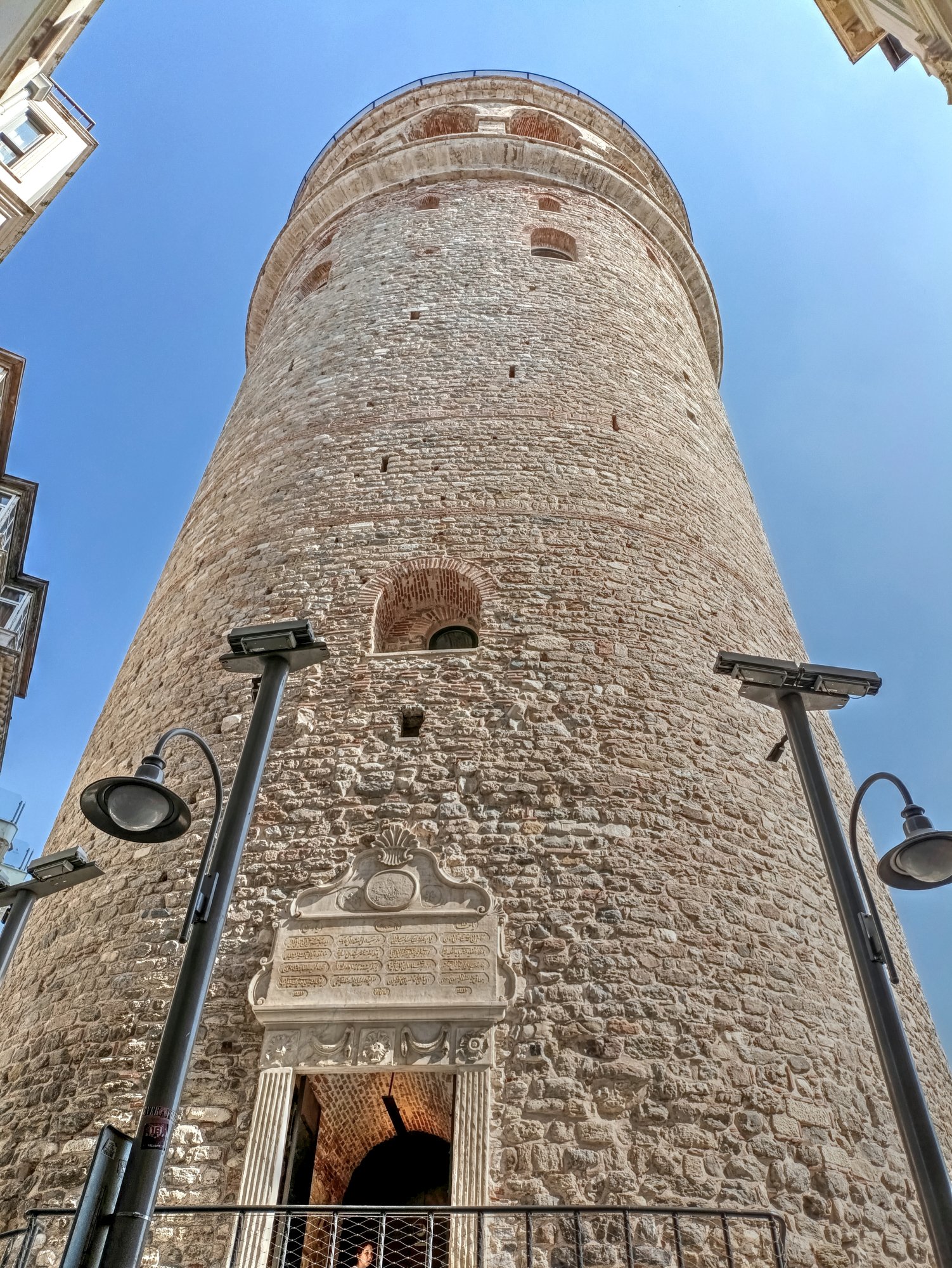
Architecturally, Galata Tower remains one of the finest surviving examples of medieval military construction in Istanbul. Built of stone and rising more than sixty metres above the surrounding streets, its massive cylindrical body and thick walls reveal its defensive purpose. The observation gallery and conical roof give the monument its distinctive silhouette, making it visible from across the Golden Horn, the Bosphorus, and much of the historic city. Over the centuries, earthquakes, storms, and fires damaged the structure repeatedly, prompting numerous repairs and alterations.
During the final Ottoman siege of Constantinople in 1453, the structure again appears in contemporary accounts. Byzantine chronicler Doukas records that signals were sent from Galata to the Ottoman camp using torches, while the humanist eyewitness Ubertino Posculo specifically mentions messages being transmitted from the summit of Galata's highest tower. These references demonstrate that by the eve of the Ottoman conquest, Galata Tower had already become the dominant landmark of the Genoese colony and a key element of its defensive network.
The fall of Constantinople in 1453 marked a dramatic turning point for Galata Tower. As Ottoman forces captured the city, the Genoese colony of Pera quickly surrendered to avoid the destruction that had befallen Byzantine Constantinople. Sultan Mehmet II initially guaranteed the colony's privileges, yet contemporary Byzantine, Genoese, and Latin accounts suggest that large sections of Galata's fortifications were subsequently dismantled. Some witnesses even reported that the great tower itself suffered damage during this process, although historians continue to debate the extent of the destruction.
What is certain is that the tower soon entered a new chapter under Ottoman rule. In the endowment records of Mehmet II, it appears as Kulle-i Cedîde ("New Tower"), a name that may reflect significant repairs carried out after the conquest. The surrounding neighbourhood eventually became known as the Kulle-i Cedîde quarter, demonstrating the tower's importance in the urban landscape.
Following the Ottoman conquest of Constantinople in 1453, the tower gradually acquired new functions. Over the centuries, Galata Tower evolved from a Genoese stronghold into an Ottoman landmark, serving variously as a prison, observatory, lookout post, and fire-watch tower.
A major turning point in the tower's later history came with the devastating earthquake of 1509, which struck both Istanbul and Galata with great force. Contemporary observers from both Ottoman and Western worlds recorded serious destruction across the city. The Venetian diarist Marino Sanuto noted that a large part of the tower's lead-covered upper section collapsed in the quake, highlighting the severity of the damage. In the aftermath, Ottoman authorities acted quickly to repair the structure, appointing the architect Hayreddin bin Murad, as recorded by Rûhî Çelebi of Edirne.
In the decades that followed, the tower took on a variety of unexpected roles. It was at times used as a holding space for prisoners connected to the nearby Kasımpaşa shipyards, while also briefly serving as an observatory for the polymath Takiyüddin, reflecting the Ottoman Empire's growing scientific interests in the 16th century. Even Evliya Çelebi, writing later, associated the tower with earlier repairs and referred to it as part of Mehmet II's broader construction efforts, calling it "Baş Hisar", i.e. the "Chief Castle" of Galata, although what he implied was actually a "donjon" or a "keep".
By the 17th century, its function shifted again, this time into a storage facility for naval equipment linked to the imperial shipyards. Despite these practical uses, it continued to dominate the skyline so strongly that contemporary observers such as Eremya Çelebi Kömürcüyan described it simply as the "high tower" of Galata, emphasising its visual prominence over both land and sea.
The tower is also inseparable from one of the city's most celebrated legends. According to the seventeenth-century traveller Evliya Çelebi, the Ottoman polymath Hezarfen Ahmed Çelebi launched himself from the tower using artificial wings and successfully glided across the Bosphorus to Üsküdar. Whether historical fact or literary embellishment, the story has become a defining element of the tower's identity and reflects Istanbul's long fascination with innovation, imagination, and daring achievement.
During the 18th century, Galata Tower became more closely tied to urban life and safety infrastructure, being converted into a fire-watch tower for the city. Because much of Ottoman Istanbul was built of timber, devastating fires represented a constant danger. Watchmen stationed atop Galata Tower scanned the city for smoke and relayed warnings to the authorities, making the monument an essential part of Istanbul's urban infrastructure.
At one point, its upper terrace even hosted a coffee house, reflecting the growing social life of Ottoman Istanbul. Early travellers such as Joseph Pitton de Tournefort also noted that the tower once bore Genoese coats of arms and inscriptions, although many of these decorative elements have not survived.
The structure repeatedly suffered from fire, wind, and earthquake damage, particularly in 1677, 1831, 1777, and 1875, each time prompting repairs that gradually altered its appearance. Following the fire of 1831, restoration works under Sultan Mahmud II left an inscription above the entrance that is still visible today. Visual records from the 19th century also show how significantly the tower's silhouette changed across successive restorations.
In the modern era, the tower continued to serve public functions, acting both as a fire-watch station and later as a naval communication point. Between 1964 and 1967 it underwent a major restoration based on its earlier architectural form, which gave it much of its present appearance. After further conservation work and partial restoration in 2020, it was transformed into a museum and exhibition space, with the most recent roof restoration completed between late 2023 and mid-2024, ensuring the survival of this landmark into the present day.
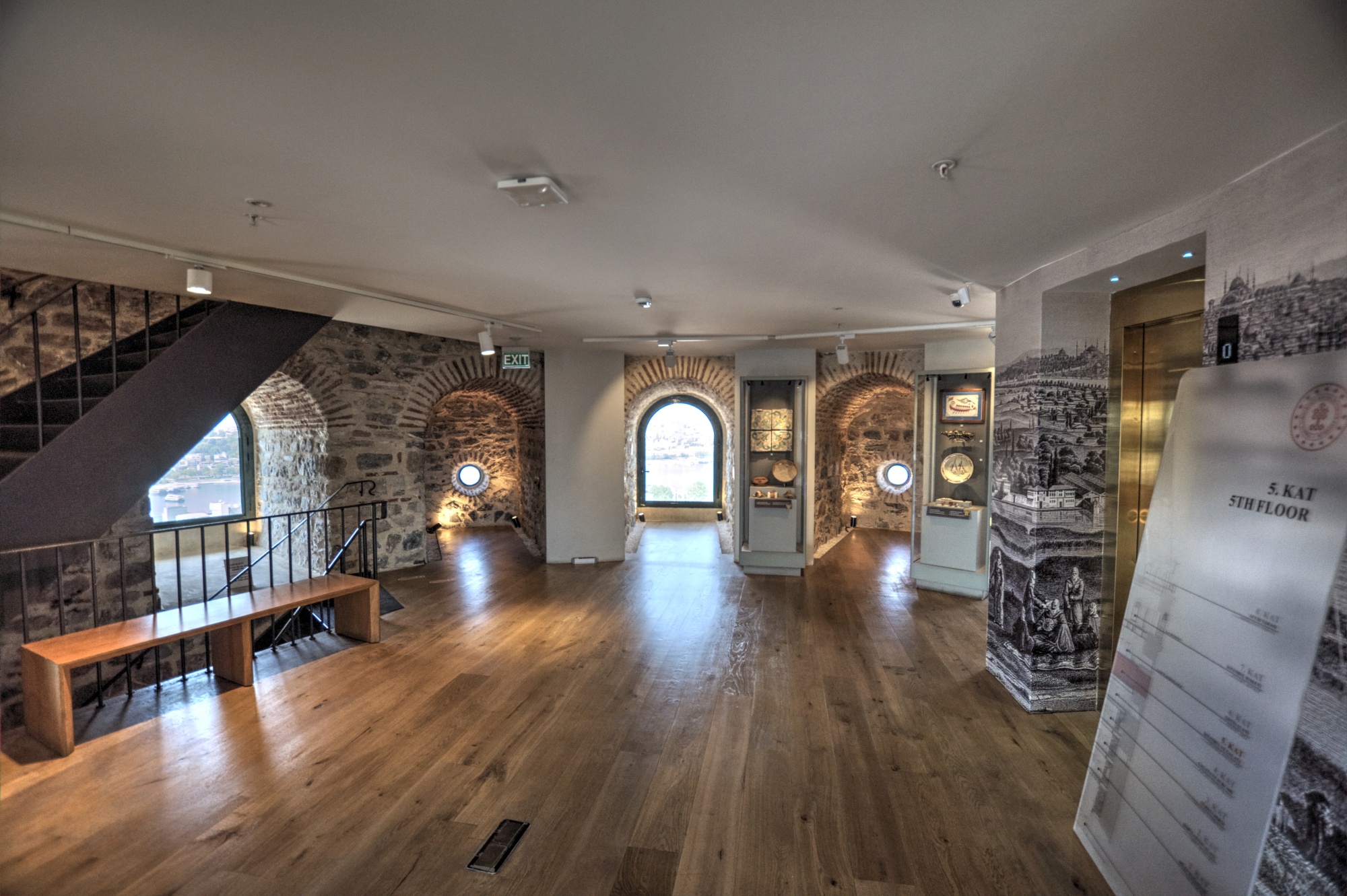
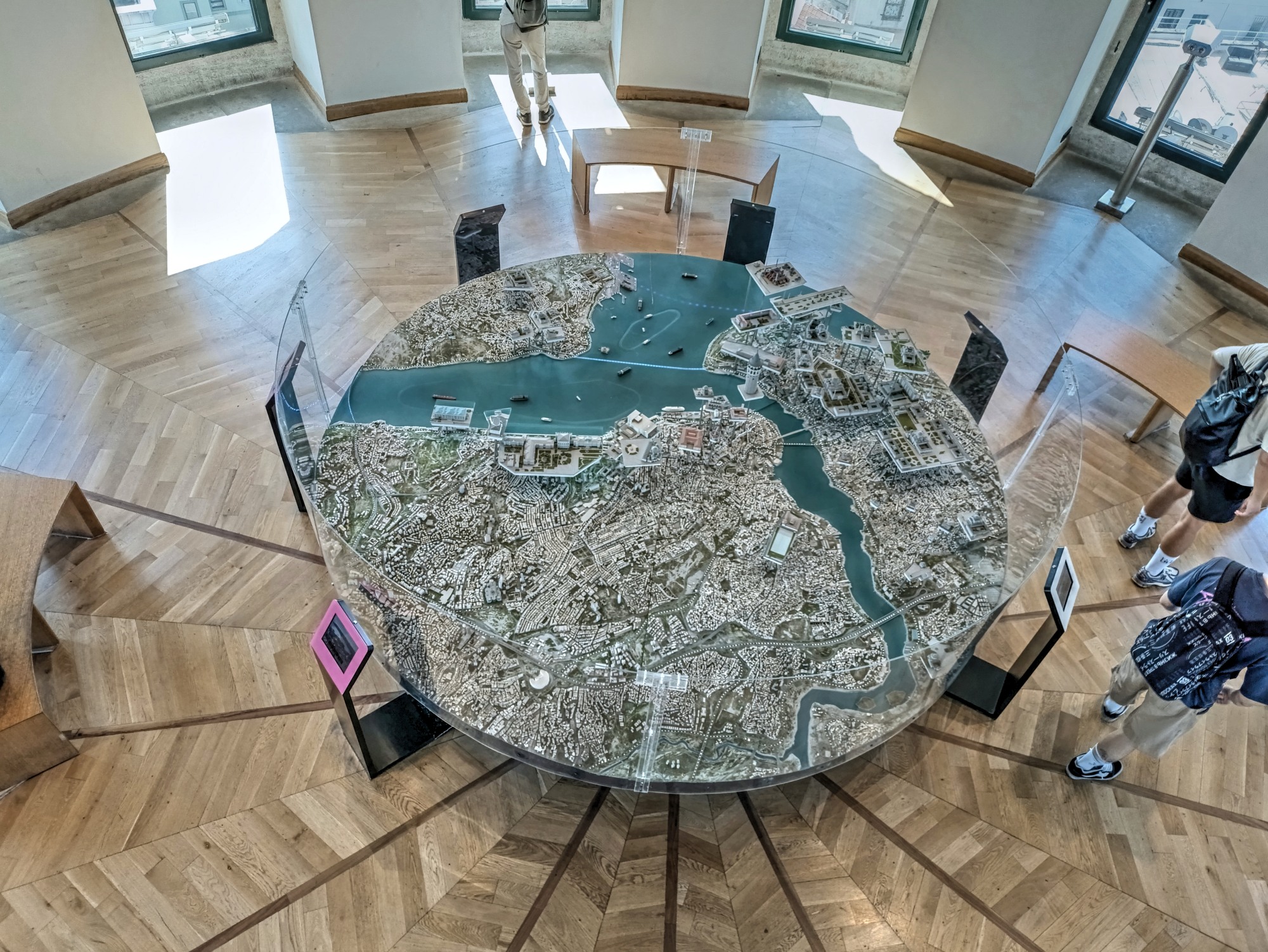
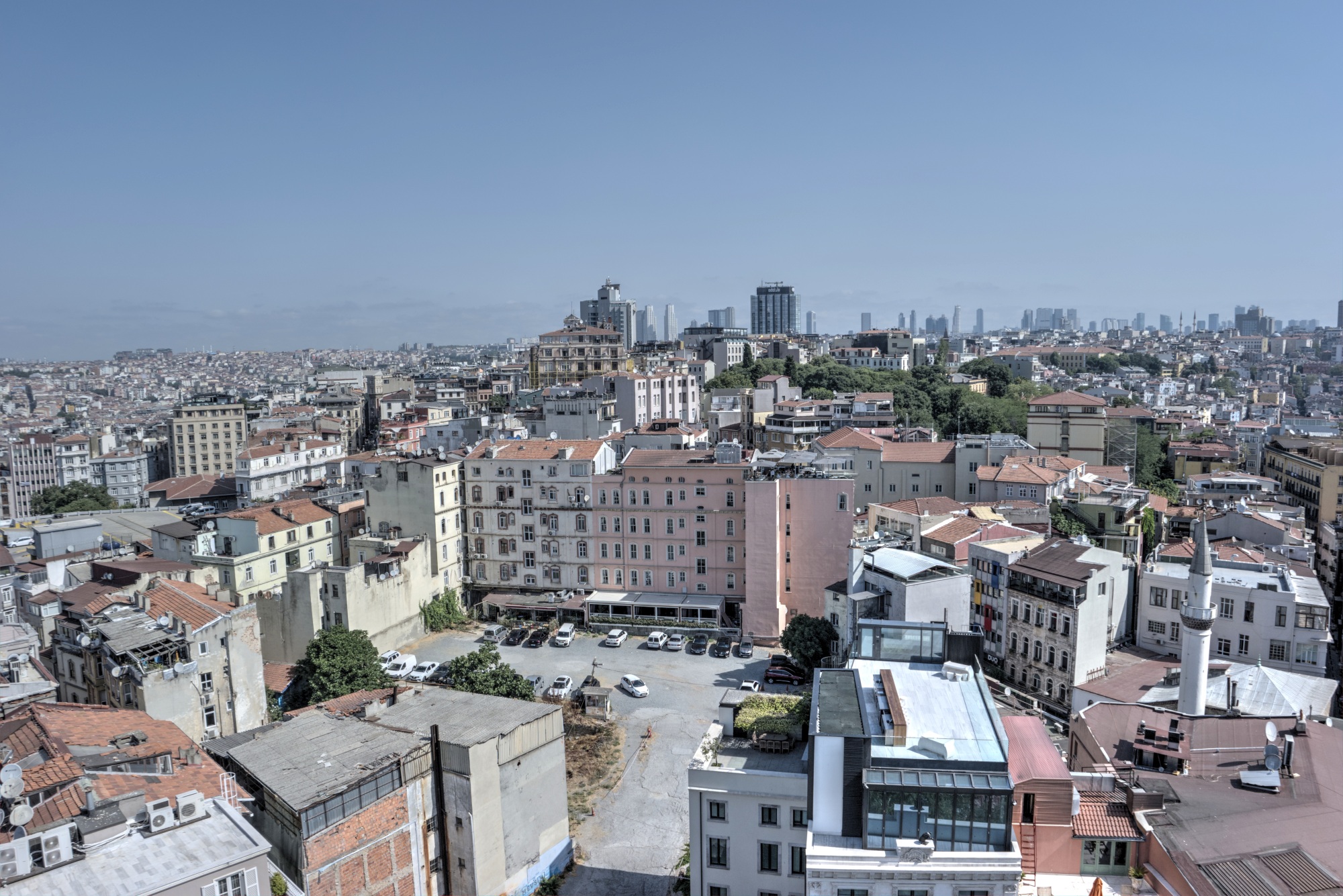
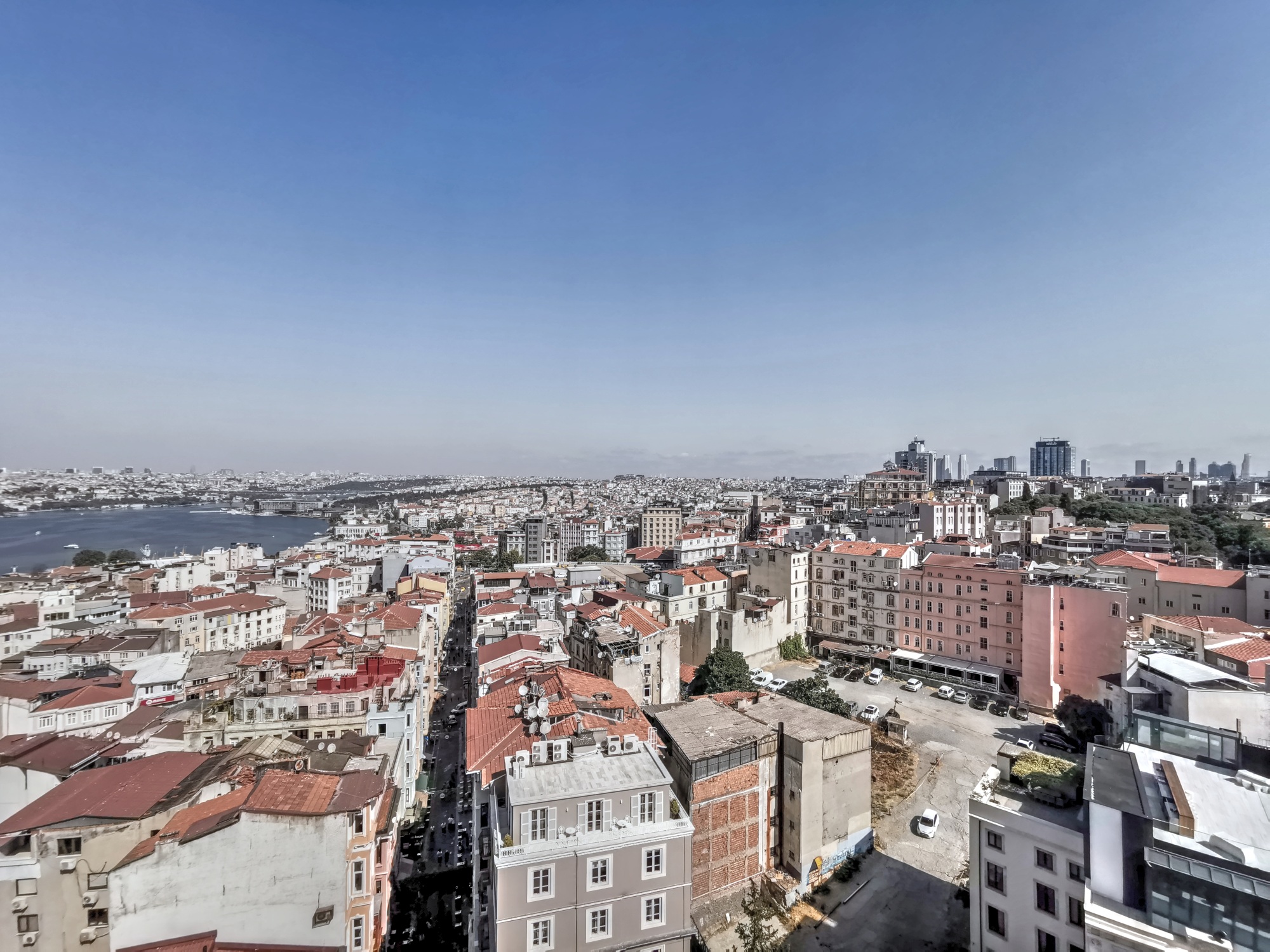
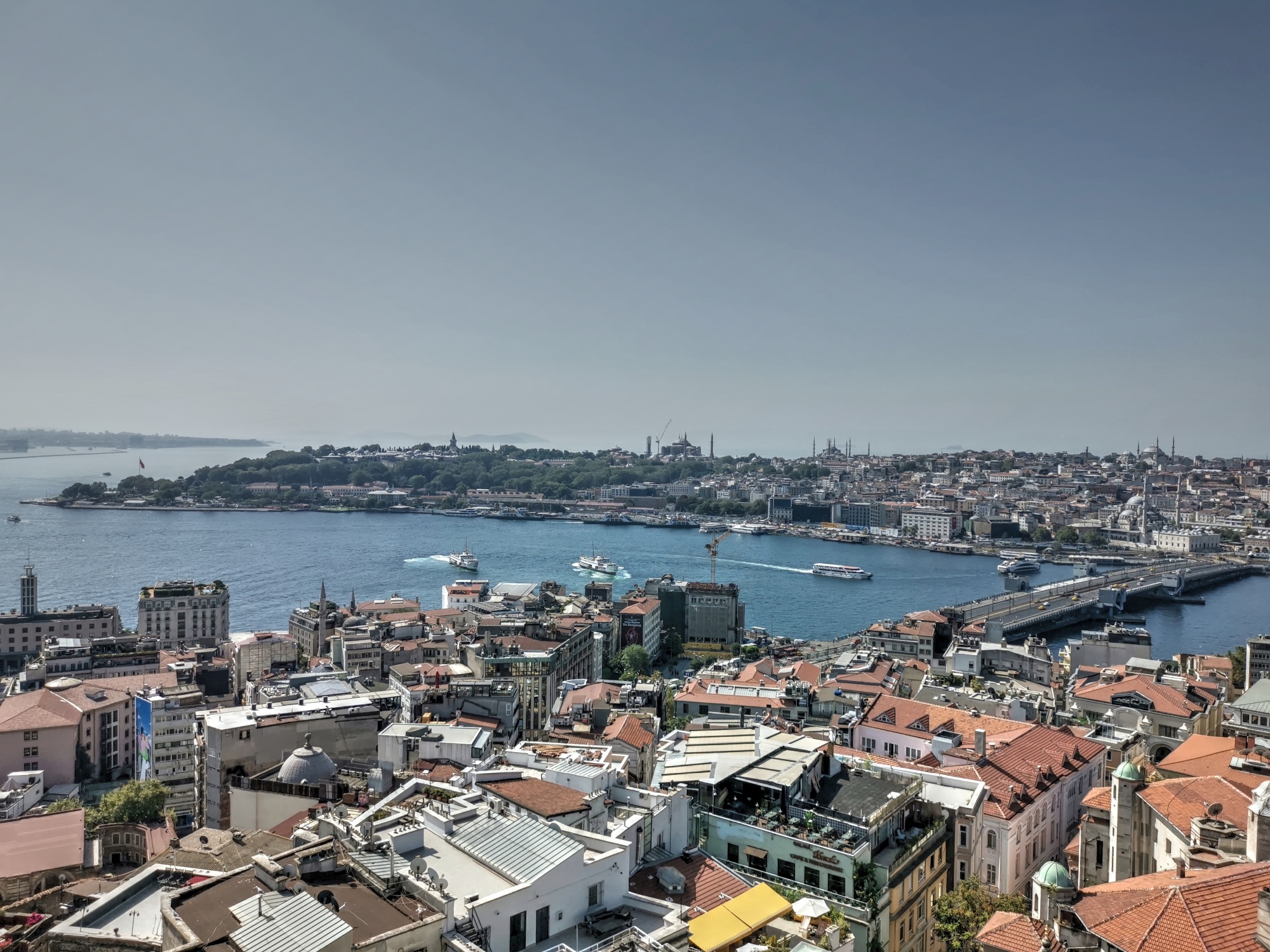
Today, following extensive restoration and conservation work, Galata Tower functions as a museum and observation monument in the heart of Beyoğlu. Visitors can explore exhibitions on the building's history before ascending to panoramic viewing platforms overlooking the Golden Horn, the Bosphorus, the Historic Peninsula, and the distant Princes' Islands. For the best experience, arrive early in the morning or near sunset, when the light is at its most dramatic and the crowds are smaller. Surrounded by cafés, historic streets, and reminders of Galata's multicultural past, the tower remains not merely a viewpoint but a living witness to nearly seven centuries of Istanbul's history.
More than a medieval monument, Galata Tower is one of the last great survivors of Genoese Constantinople. While churches, warehouses, and long stretches of the colony's walls have vanished, the tower continues to dominate the skyline much as it did in the 14th century. It stands as a reminder that Istanbul was not only the capital of Byzantine and Ottoman emperors but also a crossroads where Italian merchants, Greek sailors, Armenian craftsmen, Jewish communities, and countless other peoples met and shaped the city's history. Few landmarks capture that rich and layered heritage more powerfully than the great stone tower of Galata.
Sources: Hasan Sercan Sağlam, Galata Tower, Koç University Istanbul Walls Project; Nikephoros Gregoras, Roman History; John VI Kantakouzenos, Histories; Alexios Makrembolites; Ruy González de Clavijo, Embassy to Tamerlane; Doukas, Historia Turco-Byzantina; Ubertino Posculo, Constantinopolis.
Visitor tips:
Galata Tower is open daily and currently welcomes visitors from approximately 08:30 until 23:00, with the last admission around 22:00. Foreign visitors should expect an entrance fee of about 30 euros as of June 2026, although ticket prices in Türkiye can change with little notice, so it is worth checking the official museum website before your visit. If you hold a Museum Pass Türkiye or Museum Pass Istanbul, daytime admission is usually included, though special evening "Night Museology" sessions may require a separate ticket. The busiest period is sunset, when long queues often form for the observation deck. For a quieter experience and clearer photographs, arrive shortly after opening in the morning or visit on a weekday. Allow at least one hour for the museum exhibits and panoramic terrace.
Getting there:
The easiest way to reach the tower is via the M2 Metro Line, getting off at Şişhane Station, from which the tower is only a short uphill walk. Visitors coming from Sultanahmet or Eminönü can take the T1 tram to Karaköy and then climb through the historic streets of Galata, passing cafés, boutiques, and nineteenth-century apartment buildings along the way. Ferries from the Asian side also connect to Karaköy, making the tower easy to combine with a Bosphorus crossing. Wear comfortable shoes, as the surrounding streets are steep and often cobbled. After your visit, consider exploring nearby landmarks such as the historic Galata district, Galata Bridge, Istiklal Avenue, and the colourful neighbourhoods of Karaköy and Beyoğlu, all within walking distance of the tower.
The author would like to express gratitude to Hasan Sercan Sağlam for his constructive remarks and discussions that helped to bring this article up to date with the latest research.
Image gallery:
- Log in to post comments


